
How Much Should A Regional Manager In Civil Construction Make
People ask how much should a regional manager in civil construction make when they weigh up a new offer. The question is fair. A thin answer is still easy to get. Advertised packages vary for a reason. Location, roster, the size of the spread, and the contract terms all change the figure. Because of that, this article does not invent a number. Instead, it explains the factors to check, and it points you to official Australian sources.
- Official references are the safer first stop.
- Because of this, compare total conditions, not one number.
- Therefore the roster, the travel method and the time off after a swing should be written down.
- A recruiter summary is not a substitute for the contract.
What a regional manager role in civil construction usually covers
Titles are not standard across the industry. One company may use regional manager for a person who looks after several live sites. Another may use it for a manager who also wins work, looks after clients, and signs off on programme risk. Therefore you should read the position description before you compare two packages. The name on the advert is not the job.
In practice, the work often sits between site supervision and senior leadership. Safety, quality, cost and delivery across more than one job may all sit with you. Plant, subcontractors and client reporting often sit there as well. Regional work can add travel, camp living, or long stretches away from home. Those conditions belong in the conversation about pay, not as a footnote.
The name on the advert is not the job.
How much should a regional manager in civil construction make in Australia?
There is no single correct figure for every person and every employer. Awards, enterprise agreements, and individual contracts can all apply. Some managers are paid under an award-based structure. Others are salaried and sit outside that path. As a result, a number copied from a forum can be wrong for your situation. Official references are the safer first stop.
Start with Fair Work. That site publishes awards, minimum terms and guidance on entitlements. Then use Jobs and Skills Australia for occupation and labour-market information. Look up the role title that is closest to the job you have been offered. Use those sources on the date you are comparing offers. Market conditions change, and old screenshots travel further than they should.
Factors that move the package for a civil construction regional manager
Location and travel
A metro-based role and a regional or remote role are not the same job. Travel time, living-away arrangements and site access all affect the real value of an offer. For example, a package that looks strong on paper may be weaker once you count nights away and unpaid travel. Conversely, a role with supported accommodation and a clear roster may be worth more than the base figure suggests. Ask for the roster in writing.
Western Australian civil work often stretches well beyond one city. Projects can sit in the regions as well as in the metro area. If the role covers a wide spread, confirm who pays for flights, vehicles, accommodation and time in transit. Then confirm what happens when a job overruns. Those details matter as much as the headline salary.
Scope and seniority
Two regional manager jobs can carry very different weight. One may oversee a small number of similar sites. Another may hold safety and commercial responsibility for a mixed programme. In addition, reporting lines change the load. If you answer directly to a director, decisions may come faster, but the accountability is sharper. Ask how many people you will lead. Then check which decisions you can make without a further sign-off.
Employment terms
Base pay is only one part of the offer. Superannuation, overtime treatment, bonuses, and allowance rules can shift the total a long way. A vehicle, a phone, or a camp allowance may be included, or they may be left for you to fund. Because of this, compare total conditions, not one number. Also check the notice period, probation, and any restraint. If a bonus is mentioned, ask what has to happen before it is paid, and when it is paid.
The type of work under management
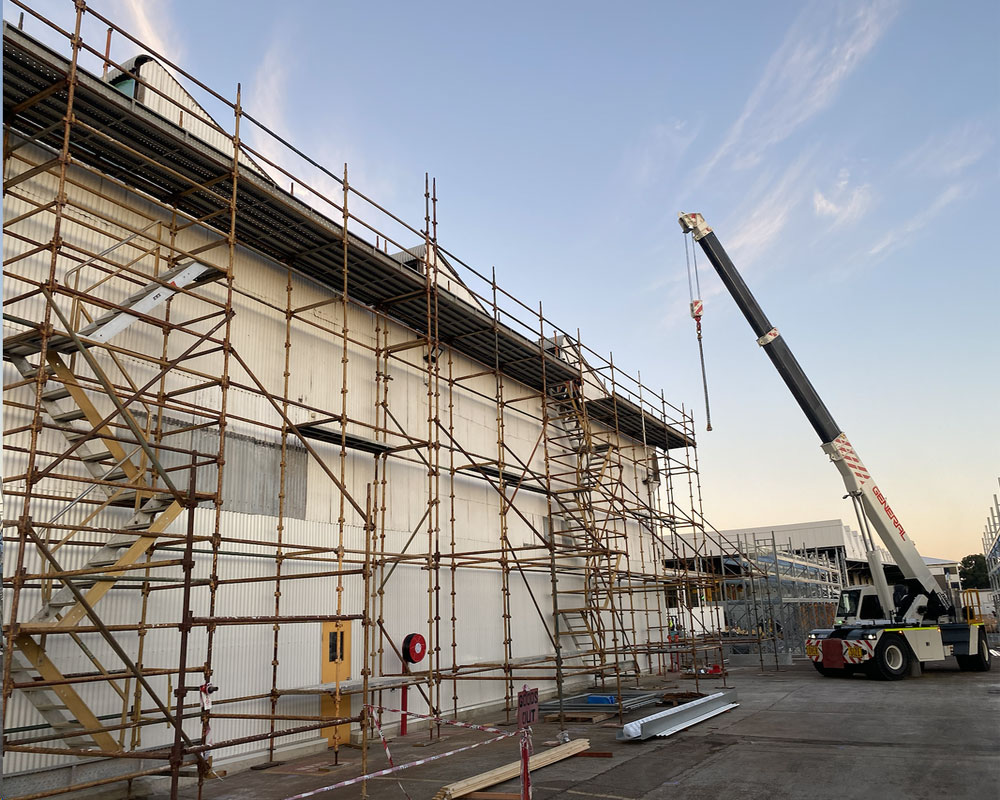
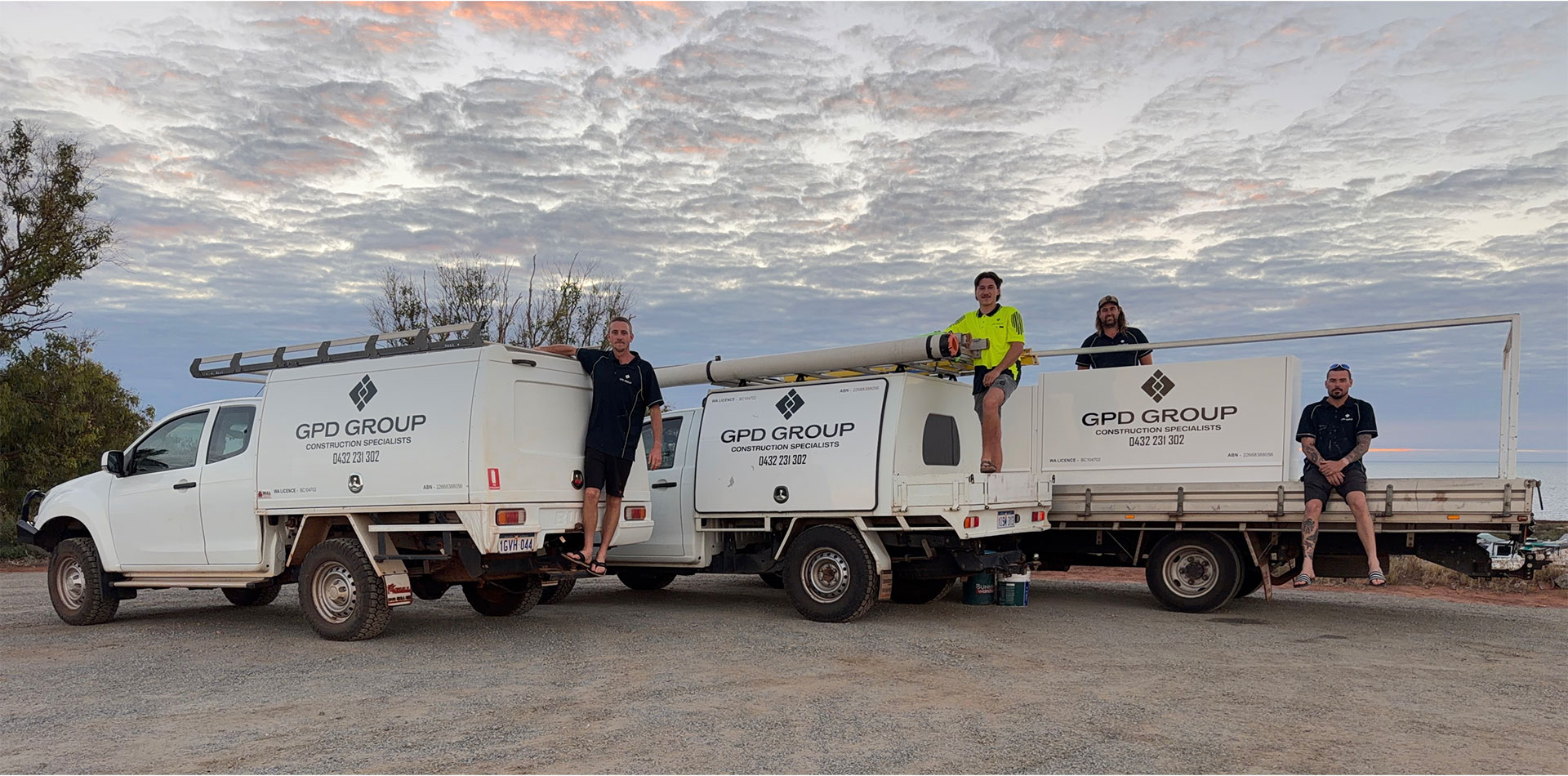
Civil construction covers roads, drainage, public spaces, utilities and related site work. A manager looking after live government or infrastructure jobs will face different pressure from one running a narrower works programme. Client reporting, approvals and stakeholder load all add hours. For a picture of the commercial and civil work GPD Group delivers as head contractor, see our commercial and tenders page. That context helps you judge whether a role is mainly site control, or a broader commercial brief.
Regional, remote and metro work are not interchangeable
- Some roles are based in a regional town and stay there.
- Other roles fly people in and out of remote sites.
- A third kind is metro-based, with occasional trips.
Each pattern changes the load on family life, rest and fatigue. Therefore the roster, the travel method and the time off after a swing should be written down. Verbal promises fade when a job gets busy.
Western Australian civil work can include metro delivery and regional programmes in the same business. That spread can make a regional manager role wider than it first appears. Confirm the actual geography. Also check how often you will be on the road. After that, confirm who covers the sites when you are in transit or on leave. A role with no deputy is a different job from one with a clear back-up.

Questions worth asking before you accept a regional manager role in civil construction
- Ask how success will be measured in the first six months.
- Also ask whether you will hold a commercial target, a safety target, or both.
- Then ask how often you will be expected on site, compared with time in an office.
If the employer cannot describe a normal week, the role may still be taking shape. That is not always a problem. It is a reason to get the scope in writing.
Safety responsibility deserves a direct question as well. Find out who is the statutory duty holder for the sites you will run. Then check how incidents are reported, and who you call after hours. In addition, ask what support you will have from a safety advisor or a licensed builder. A title can sound senior while the support around it is thin.
Finally, ask how the company handles bad news on a job. Programme slip, latent conditions and variations are normal in civil work. A manager who cannot raise those issues early is being set up to fail. The interview is the time to test whether honest reporting is actually welcome.
How to read an offer without guessing
Write the duties in a short list. Beside each duty, note whether the offer pays for it clearly. After that, check the official sources again for the closest occupation and any award that may apply. If the employer has an enterprise agreement, ask for it. Then take advice if the terms are unclear. A recruiter summary is not a substitute for the contract.
In short, be wary of anyone who quotes a single “going rate” with no context. Hours, location and responsibility have to sit beside the figure. When those are missing, ask for them before you accept or decline. That is not being difficult. Checking the terms is part of doing the job properly.
If you are weighing a regional manager role in civil construction
So, how much should a regional manager in civil construction make? The honest answer is simple to state and slower to apply. A fair package should match the scope, the roster and the legal minimums that apply to that exact job. Check those points against current official sources. Do not rely on a blog for a number, including this one. Use Fair Work and Jobs and Skills Australia, then read the contract.
When you want to talk about civil or commercial work in Perth and regional WA, call 0432 231 302. You can also submit a tender brief to the team.
WA Builder Licence BC104702. ABN 22668388056.