GPD Group · Construction guide
What is civil construction work?
A practical guide to the infrastructure, planning and people behind civil projects in Western Australia.
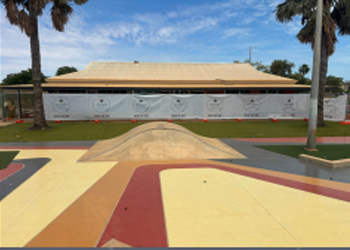
Civil construction is the work that creates or improves the physical systems communities and businesses rely on. It includes roads, drainage, public spaces, utility infrastructure and the groundworks that support them. A civil project may look like a new road pavement, a stormwater upgrade, a concrete public area or the site works needed before another facility can operate.
The term describes a type of project, not one trade. Civil works combine design information, site preparation, earthmoving, materials, plant, installation, quality checks and handover. The exact activities depend on the asset being built and the client's specifications. A builder may perform some tasks directly and coordinate specialist crews for others.
This guide explains the work in plain language so a project owner can understand a scope or a job seeker can understand the sector. It does not imply that every civil contractor offers every activity listed below.
Common examples of civil construction
Roads and pavements. A road project can require clearing, subgrade preparation, drainage, pavement layers, surfacing, kerbs, line marking and traffic management. Some of those are distinct specialist packages. The work must follow the design and the relevant road authority's requirements.
Drainage and water movement. Stormwater pipes, pits, culverts, swales and surface falls help carry water away from buildings, roads and public areas. A drainage design has to consider catchment, levels, connections and maintenance access. Improvised drainage can simply move a flooding problem to the next property.
Earthworks and foundations. Excavation, fill, compaction, grading and retaining prepare a site for the finished asset. Ground conditions and existing services can change the method, programme and cost. Testing and survey controls help check that the finished levels and materials meet the design.
Public-realm works. Parks, paths, hardstands, outdoor structures and streetscapes often involve concrete, paving, foundations, furniture and safe public access. The visible finish is only part of the job; the drainage, levels and underlying construction determine whether it lasts.
Utility and industrial infrastructure. Civil packages can provide trenches, pads, access areas, structural bases and connections around utilities or industrial facilities. Operating sites may require staging, permits and handover arrangements so the client's existing activities can continue safely.
Australia's RII Resources and Infrastructure training package illustrates the breadth of civil work through competencies for earthworks, roads, drainage, pavements and related operations. Its list of units is not a scope of services for any one company.
How is civil construction different from building construction?
Building construction usually focuses on an occupiable structure: its frame, envelope, rooms, services and finishes. Civil construction focuses on site and infrastructure assets, such as earthworks, roads, drainage, access and public space. The two meet on many projects. A commercial building needs safe access, drainage, service connections and often substantial external works before it can be used.
There is no hard line that makes every activity exclusively “civil” or “building”. Concrete can form a road, a footpath, a slab or a structural element. The project contract, design, permits and responsible specialists determine who delivers each part. For owners, the practical question is whether the scope names all interfaces between the civil and building packages.
GPD Group's commercial construction page describes commercial and infrastructure work in Western Australia. A project title alone does not establish which civil packages a contractor delivered. A specific proposed job needs its own scope and capability check.
What happens before construction starts?
A sound project starts with the required outcome, site information and constraints. The client or design team may provide drawings, specifications, service records, approvals and a programme. The contractor assesses access, existing operations, ground information, materials, workforce and subcontractor needs. If information is incomplete, the quote should state assumptions and exclusions rather than hide uncertainty.
Site and services review. Underground services, surface levels, neighbours, traffic, environmental constraints and operating hours can determine how a job is staged. Remote work adds travel, accommodation and supply-chain considerations.
Design and approvals. The required drawings and permits vary by asset and location. A contractor needs to understand which party owns design, approvals, testing and any changes during delivery. “Construction only” and “design and construct” are different commitments.
Safety planning. Plant, excavation, lifting, traffic and work beside the public each create specific risks. Safe systems of work and site controls should match the actual activity. A generic promise to “work safely” is not a substitute for a plan.
Scope and programme. A useful quotation identifies deliverables, interfaces, exclusions, testing, access requirements and likely hold points. The cheapest headline number is not necessarily the lowest total cost if key site works or reinstatement are missing.
What happens on site?
The sequence changes from project to project, but many civil works follow a pattern: establish the site, locate and protect services, set out the work, carry out earthworks, install below-ground elements, build the finished surfaces or structures, test and inspect, then reinstate and hand over. Some stages overlap; others must wait for inspection before they can be covered.
Survey controls keep the work in the right place and at the right levels. Materials and compaction may need test records. Drainage connections and concrete works can require inspections. When an unforeseen condition appears, the team should document the change in scope, cost and programme before proceeding where the contract permits. This protects both the owner and the contractor.
Working on an operating facility or in a public area adds another layer. Access routes, noise, dust, deliveries, temporary closures and communication with the client must be planned. The same physical task can be much more complex when a business must keep operating beside it.
Who works on a civil project?
Depending on the job, the team might include a client representative, designer or engineer, surveyor, site supervisor, plant operators, civil labourers, concreters, drainage specialists, traffic controllers and testing providers. Some are employees; others are subcontractors. The roles and qualifications needed are dictated by the task and project requirements.
For someone considering a career, civil construction offers several routes: general site work, apprenticeships or traineeships, plant operation, trades, supervision, estimating and project management. Training, tickets and practical experience matter, but no single qualification makes a person competent for every activity. Pay varies by role, employment terms, working hours and allowances. Check the applicable Fair Work award or agreement for a specific position.
What should a client ask a civil contractor?
Start with the asset and site, then ask for examples of comparable work. Confirm who is responsible for design, approvals, underground-service location, safety controls, testing, traffic management, reinstatement and handover documents. Ask how changes will be priced and recorded. For an operating or remote site, ask how access, staging and mobilisation are handled.
A clear brief helps the contractor give a useful answer. Share the location, drawings or concept, target date, constraints and the outcome you need. GPD Group's commercial construction service page and completed projects show the civil and commercial examples it currently publishes. Contact the team with the specific scope to confirm fit and availability.
In one sentence
Civil construction work turns engineered plans for site and infrastructure assets into usable roads, drainage, public areas and related works. Its success depends on the ground and service information, the right specialists, a complete scope, safe staging and evidence that the finished asset meets the design.