
What Is The Best ERP Software Civil Construction Business
People often type what is the best ERP software civil construction business teams should buy. Then they land on a shortlist of product names. That list rarely explains how the software will behave on a live site. Civil work is messy by nature. Ground conditions change. Programmes shift. Variations arrive after the first quote. Because of that, the useful question is not “which logo is popular”. Instead, ask which system can hold cost, time, people and plant in one place.
- There is no single product that is right for every firm.
- The test is whether the team will actually use it on site, not only in the office.
- Then run a trial on a real job, not a sales demo.
- If a system cannot explain a variation or a progress claim in plain figures, keep looking.
What ERP software needs to do on a civil construction job
ERP means enterprise resource planning. In plain terms, it is the system that joins the parts of the business. Estimating should talk to job costing. Timesheets should talk to payroll. Purchase orders should talk to the budget. If those tools sit in separate spreadsheets, errors creep in. Then a project manager is left reconciling figures at night. A civil contractor cannot afford that habit for long.
In practice, the software has to follow a job from tender to handover. The original scope needs a clear home in the system. Each variation needs a written record, with the date and the approval. Committed cost should then sit beside the remaining budget. After that, the same record should help you raise a progress claim with a clear paper trail. Reporting is not a nice extra in this trade. Clients, and government buyers, expect it.
Why a generic ERP package often falls short in civil construction
Many products are built for factories or shops. Those workplaces have stable stock and repeatable lines. Civil construction does not work like that. One week you may be on a metro site with tight access. Next week the same crew may be heading to a regional job. Plant moves. Subcontractors change. Weather stops a pour. As a result, a rigid system becomes shelfware.
However, that does not mean you should run the company from inboxes. Email trails get lost. Phone promises are hard to audit. Therefore a purpose-built, or at least carefully configured, ERP is worth the effort. The test is whether the team will actually use it on site, not only in the office.
What is the best ERP software civil construction business teams should look for?
There is no single product that is right for every firm. Company size, tender mix and internal skills all change the answer. Still, the same checks help when you compare vendors. Use them as a shortlist filter. Then run a trial on a real job, not a sales demo.
Job costing and variations
First, watch how the system treats a variation.
- Can a site supervisor raise it quickly?
- Does the record keep the date, the scope and the approval?
- After approval, does the budget update without a manual patch?
If that path is clumsy, the software will not survive a busy month. Cost reports also need to separate labour, plant, materials and subcontract packages. Otherwise you cannot see where a job is drifting.
Timesheets, awards and payroll
Australian civil work often involves allowances, overtime and different site conditions. Because of this, timesheets have to be accurate and easy to complete. A system that only suits a standard office week will create rework. In addition, the payroll path should be clear. The ERP does not need to replace your accountant. Clean hours, cost codes and project tags still have to come out of it.
Plant, purchasing and subcontractors
Plant is money on wheels. So the system should show where a machine is, and which job is paying for it. Purchase orders should be easy to raise and easy to match to invoices. Likewise, subcontractor commitments should be visible before you approve extra work. When those records are late, margin disappears quietly.
Multi-site and regional work
Some contractors only ever work in one city. Others move between metro sites and regional WA. For example, a commercial or civil programme may include live assets, remote access and staged handovers. The software must let you run more than one job at a time. It should also work on a phone when the site internet is poor. Offline capture, with a later sync, is often more valuable than a fancy dashboard.
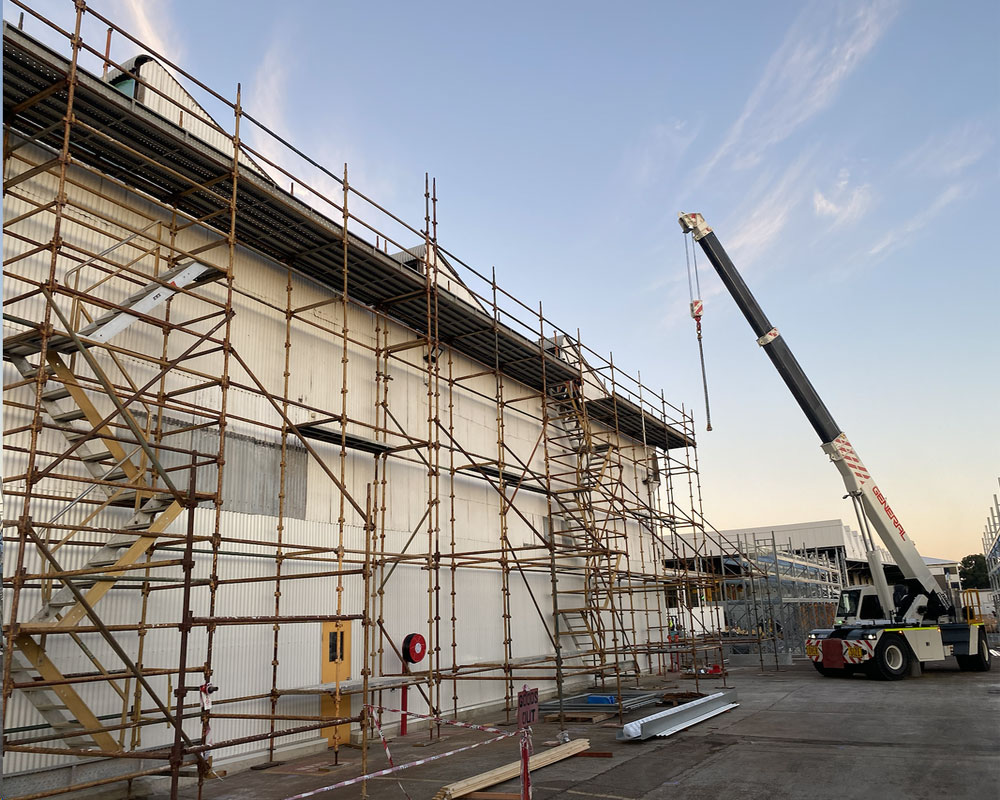
For a picture of the commercial and civil work this thinking has to support, read our commercial construction Perth page. That page sets out government, infrastructure, utilities and make-good work delivered as head contractor. A useful ERP should hold a job of that shape: one contract, several trades, and a clear cost report.

Questions to ask every civil construction ERP vendor
- Ask who will configure the job-cost structure with you.
- Then check how long a normal implementation takes for a firm of your size.
- After that, ask what the team will do in the first week if a timesheet will not submit.
- Support hours matter.
- Australian-time support is easier to use than a midnight chat bot.
- Also ask about data export.
- You should be able to leave with your records if the product no longer fits.
In addition, request a walk-through with your own sample job, not theirs. Take a tender, a variation and a progress claim. Watch someone in your team complete each step. If a salesperson has to do it for them, the system is too heavy. Training will not fix a poor fit.
How to trial a system without betting the business
Start with one live job and a small group of users. Keep the old spreadsheet as a backup for a short period. Compare the weekly cost report to the known figures. After that, add purchasing or plant, not both at once. Change lands better in stages. Meanwhile, write down every workaround the team invents. Those notes tell you whether to continue or to stop.
Security and access also need a plan. Not everyone should see every margin. Site staff need quick task entry. Directors need a reliable overview. Therefore set roles early. Then review them after the first month. A system that exposes too much, or too little, will be quietly avoided.
The right system is the one your team will use.
Where official business guidance still helps
Software vendors will talk about features. Your job is to keep the decision grounded. The Australian Government’s business site at business.gov.au is a solid starting point for planning and general business tools. It will not pick a product for you. Still, it helps you think about records, obligations and the wider running of the firm before you sign a long contract.
What not to do when you compare products
Do not pick a system only because a competitor uses it. Their work mix may be different from yours. Do not sign a long contract on the back of a slide deck. Feature lists hide the slow parts of daily use. Likewise, do not ignore training time. A cheaper licence can cost more if the team needs months to trust the figures.
Integration is another trap. The ERP should pass clean data to the accounting tool you already trust. Otherwise the finance team will keep a parallel set of books. In that case you have paid for a new problem. Before you sign, ask which fields actually move, and who supports the link when it breaks.
A plain way to decide on civil construction ERP software
So, what is the best ERP software civil construction business owners can actually choose? The right system is the one your team will use. That system should hold cost and scope honestly. The records should also travel with the work. Popularity is a weak test. A careful trial on a real job is a strong one. If a system cannot explain a variation or a progress claim in plain figures, keep looking.
When you are briefing a civil or commercial job, call 0432 231 302. We can talk through how we run cost, programme and handover on site. You can also start a project with the team.
WA Builder Licence BC104702. ABN 22668388056.