Guide · Residential · Granny flats
Portable granny flats, or a permanent build?
Portable granny flats are cheaper upfront. Here is what that buys you, what it does not, and how Perth councils treat each path.
GPD Group · WA Builder Licence BC104702 · Updated 2026
The search usually starts the same way. Someone wants a second dwelling, sees a relocatable building advertised for a fraction of a build price, and wonders whether the cheaper route is the smarter one.
It is a fair question, and the honest answer depends on what you want the dwelling to do. This compares portable granny flats against a permanent build on cost, council treatment and what each is worth in ten years. GPD builds permanent ancillary dwellings, so take the view below for what it is, but the facts hold either way.
Short answer
Portable granny flats cost less upfront and you can move them later. Permanent builds cost more, take longer to approve, and are the only version that reliably adds value to the property and satisfies council as a compliant ancillary dwelling. The right choice depends on whether you are solving a temporary problem or a permanent one.
01 · Definitions
What are portable granny flats?
The term covers several quite different products, which is where most of the confusion starts.
Relocatable or transportable units
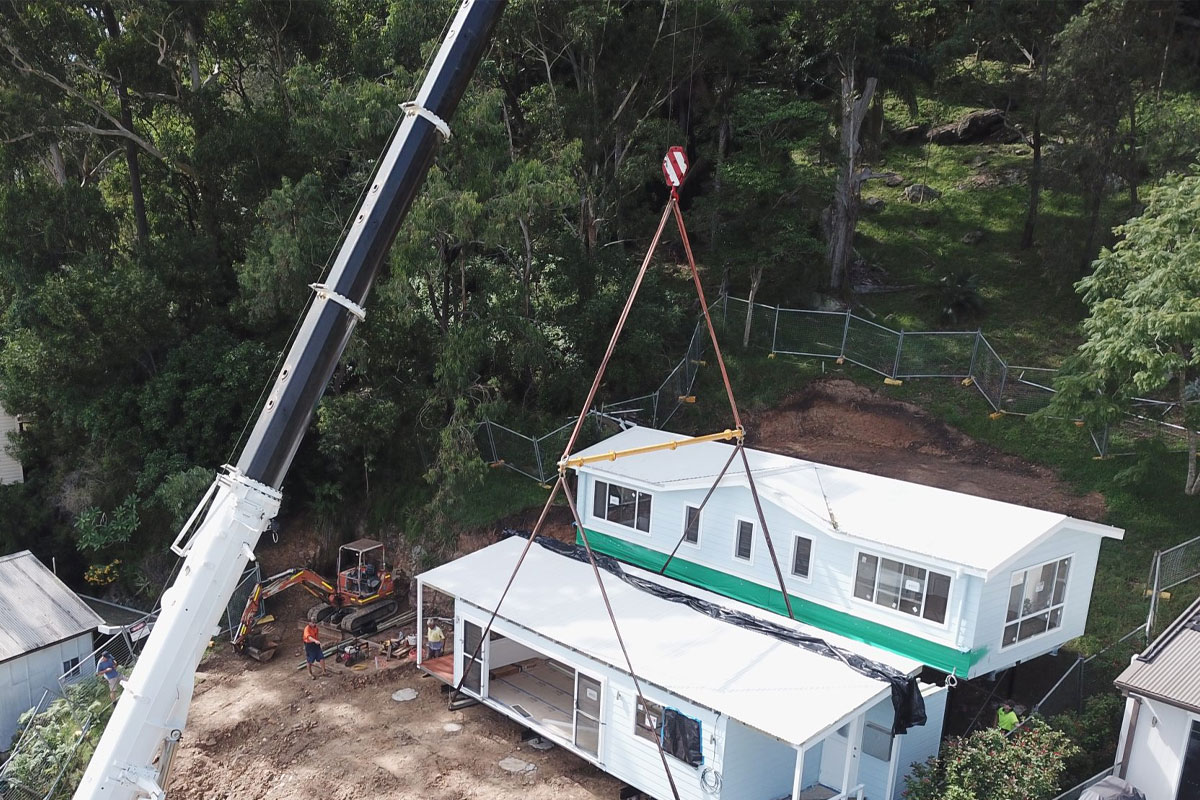
Suppliers build these off site, deliver them whole or in halves, and set them down on piers or a shallow footing. You can lift and move them again later.
Modular buildings
Also factory-built, but a crane lands them on a permanent slab and they stay there. These sit closer to a permanent build than to a portable one, even though suppliers often market both under the same banner.
Converted containers and kit cabins
These sell as a low-cost path. Compliance is where they tend to come unstuck, particularly on energy rating, ventilation and habitable-room requirements.
The distinction matters because councils assess the dwelling, not the marketing. Councils generally treat a structure that will stay put as a building, regardless of how it arrived on the block.
02 · The case for permanent
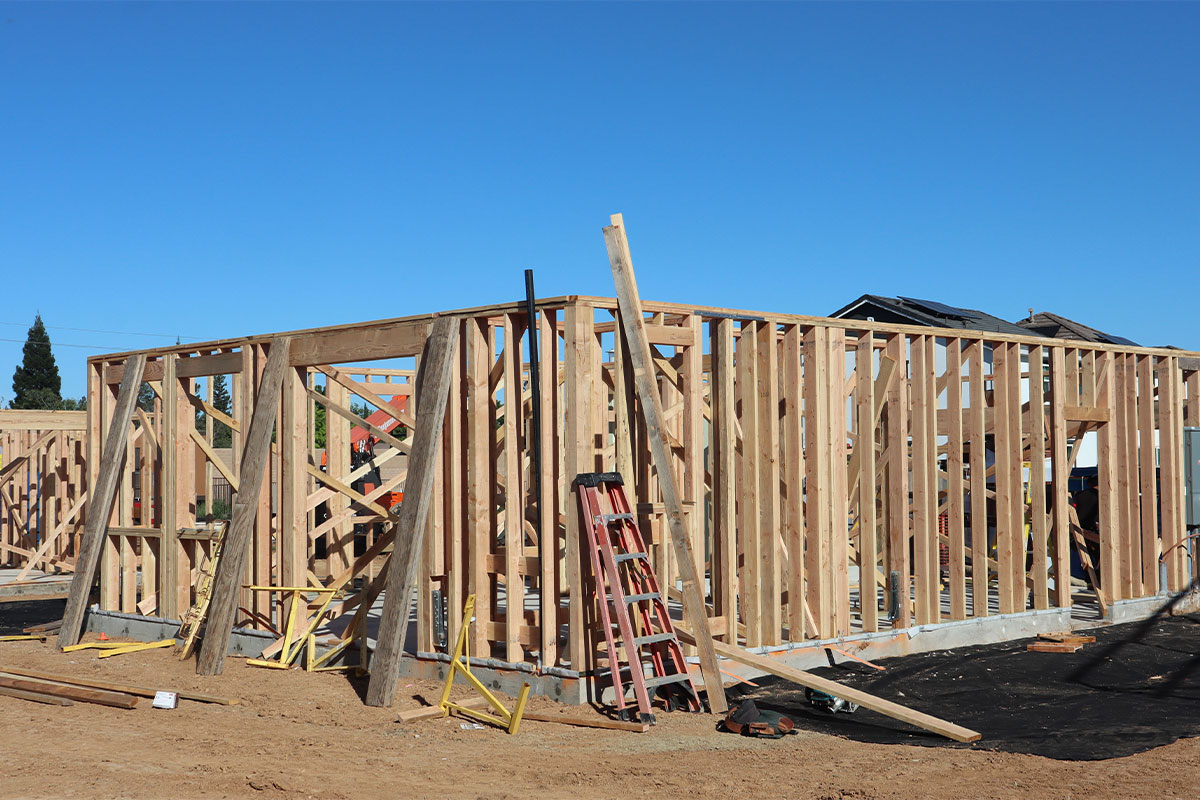
Benefits of permanent granny flat construction.
Four things a permanent build gives you that a relocatable unit generally does not.
It counts as part of the property
A fixed, compliant ancillary dwelling forms part of the improvement on the title. A relocatable unit more often counts as a chattel, which changes how valuers and lenders treat it.
Statutory home warranty applies
Residential building work over $20,000 in WA attracts home warranty insurance under the WA Home Building Act, which the licensed builder takes out before site start. That protection follows the build.
We design it around the block
We work out orientation, setbacks, soil class and wind rating for your lot. A factory unit built to a generic specification fits none of that to your site.
Rental treatment is cleaner
Where you intend to tenant the dwelling, a compliant ancillary dwelling with separate metering keeps things simple. A relocatable unit can raise questions that a permanent build simply does not.
03 · Cost
Cost comparison: portable versus permanent.
GPD’s published bands for permanent ancillary dwellings sit below. Portable pricing varies far too widely by supplier for us to quote it honestly, so the column is deliberately left as a range you should verify against actual quotes.
The upfront gap is real, and it is the reason these units get shortlisted. What the gap does not include is site preparation, services connection, council fees, and the cost of removing or replacing the unit when it reaches the end of its life. Run the comparison over fifteen years rather than at purchase and the numbers move considerably.
The line that catches people
Services are the hidden cost on both paths. Running separate power, water and sewer to a second dwelling costs what it costs, whether the building above arrived on a truck or took shape on site.
04 · Approvals
Council regulations in Perth.
This is the part that decides most of these decisions, and it is the part suppliers are quietest about.
The R-Codes still apply
The Residential Design Codes govern every ancillary dwelling in Perth: size, setbacks, site coverage and parking. Most councils allow up to 70 square metres of internal floor area, with recent WA reforms permitting up to 120 square metres in some local government areas.
You usually still need approval
Nearly every ancillary dwelling needs development approval, a building permit, or both, depending on the local government area and the scope. Arriving on a truck does not exempt a dwelling from that.
Whose name is on the application
When a licensed builder lodges it, liability for compliance travels with the licence. When a supplier hands you the paperwork to lodge yourself, that liability lands on you. Ask this question early, of either path.
Energy rating is not optional
The 7-star NatHERS standard applies to ancillary dwellings. A unit nobody designed to meet it will not pass simply because it came cheap.
Rules vary between local government areas and change over time. Confirm current requirements with your council rather than relying on any supplier’s summary, including this one.
05 · The decision
Making the best investment for your property.
Portable granny flats make sense when the need is genuinely temporary, when you may redevelop the block, or when the budget simply will not stretch to a permanent build. Nobody should talk you out of that if it is the honest position.
A permanent build makes sense when the dwelling needs to stay: housing a parent, an adult child, or generating rent for a decade or more. Over that horizon it is the version that counts as part of the property, carries statutory warranty, and never needs replacing.
The question worth asking yourself is not which is cheaper. It is how long the dwelling needs to last, and whether you want it counted as part of the house or parked beside it.
Next step
Our granny flats Perth page covers the four permanent delivery paths, the R-Codes rules and the approvals process. For a full house, see new home builds.
Not sure which path suits your block?
Send the suburb and the lot. We will tell you what the R-Codes allow and give you an honest view on whether a permanent build stacks up for your situation.
GPD Group · WA Licence BC104702 · ABN 22 668 388 056 · info@gpdgroup.org